LIGHTING 1.
Why is important to talk about lighting? And why is lighting in images important? Well an obvious one is so that we can see
what is going to appear on the screen or on a canvas or in a photograph. But much more importantly, light can be used creatively to create impact within an image.
There are two main ways in which lighting can be used in an image:
realist lighting
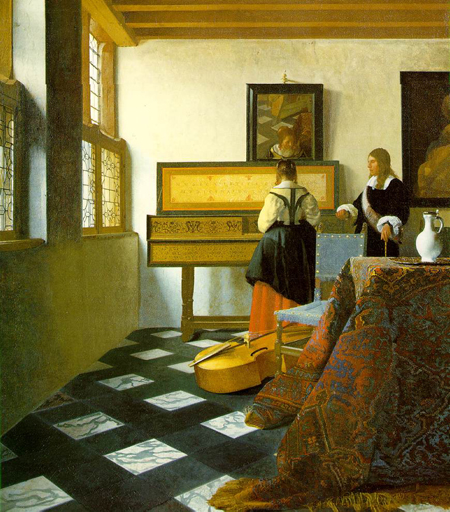
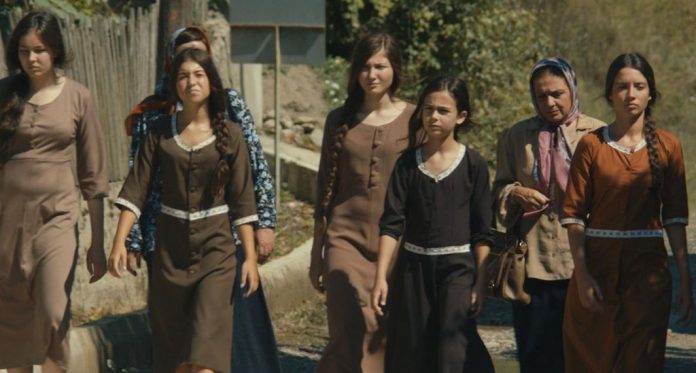
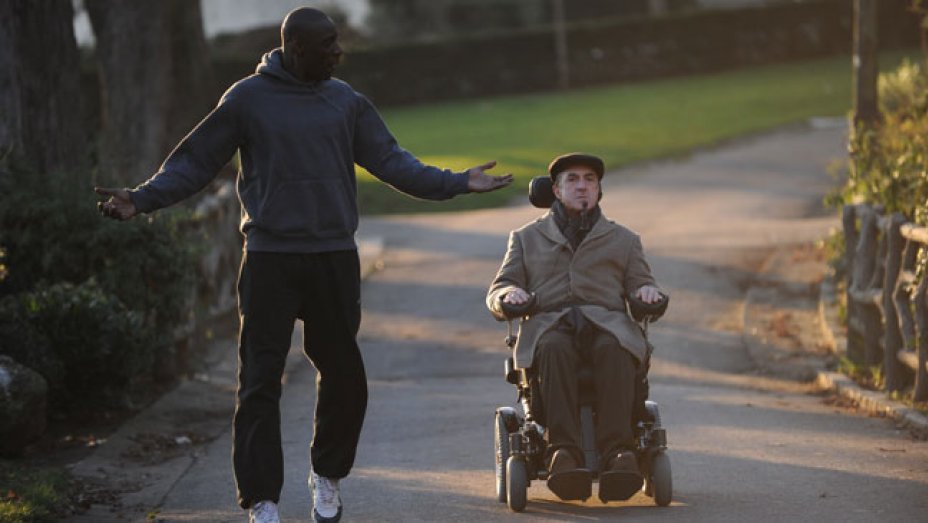
Where things, people are lit so naturally and unobtrusively that the viewer doesn’t notice – giving a sense of the reality of what appears in the scene.
Light can either come from natural light sources (daylight, street lamps, etc.) or additionally or exclusively by artificial lighting. Such light sources may be visible in the image (eg flashlights held by characters, candles, etc.).
expressive lighting
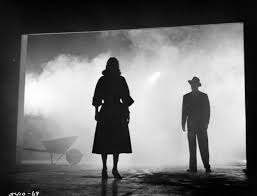
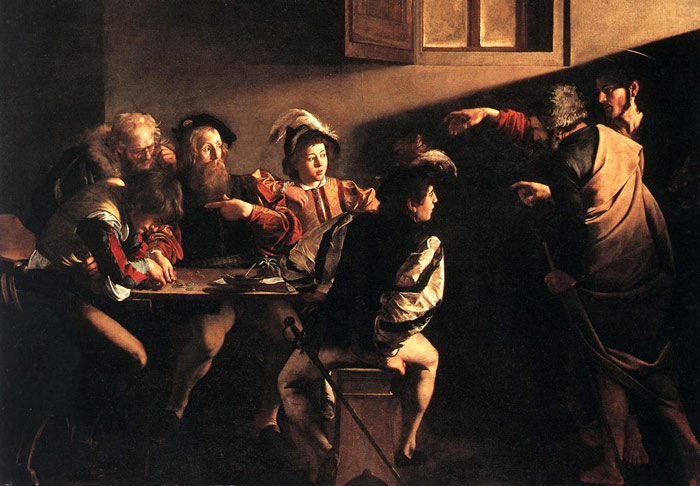
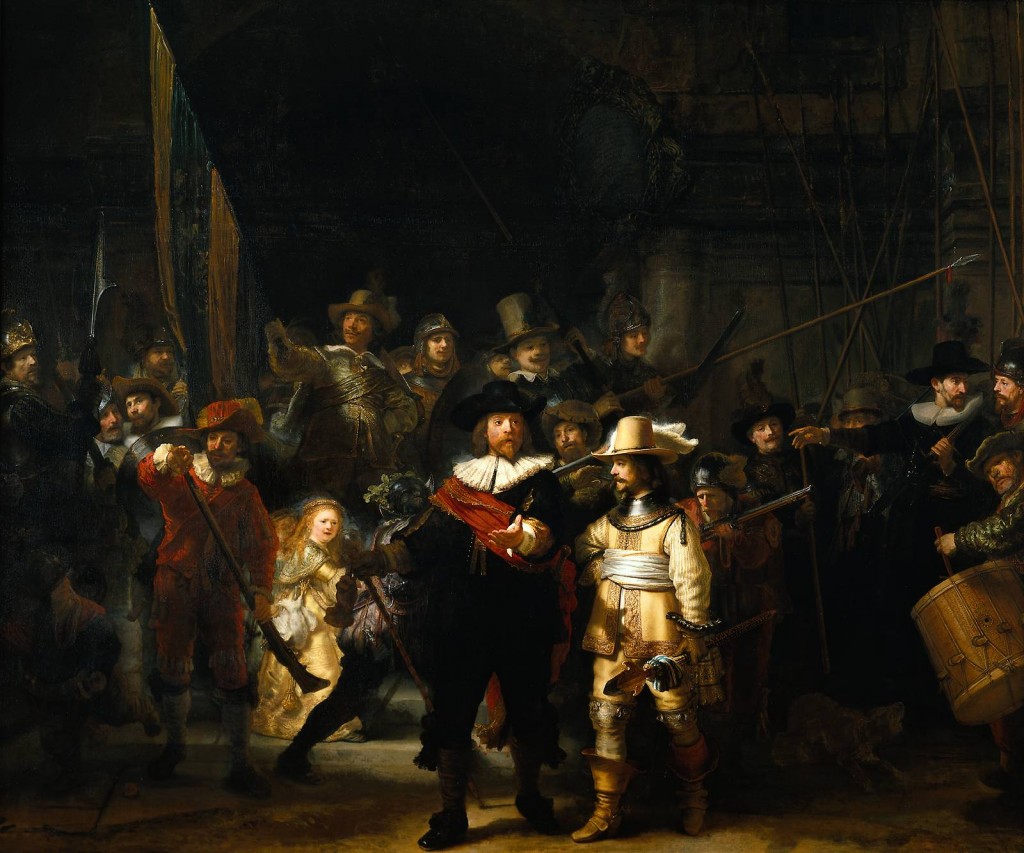
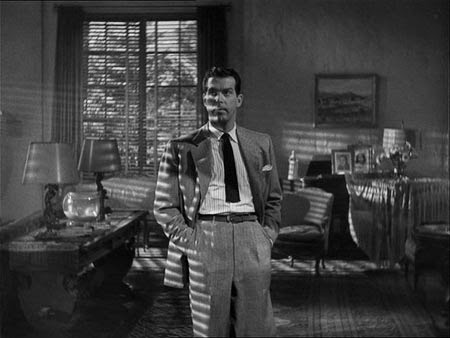
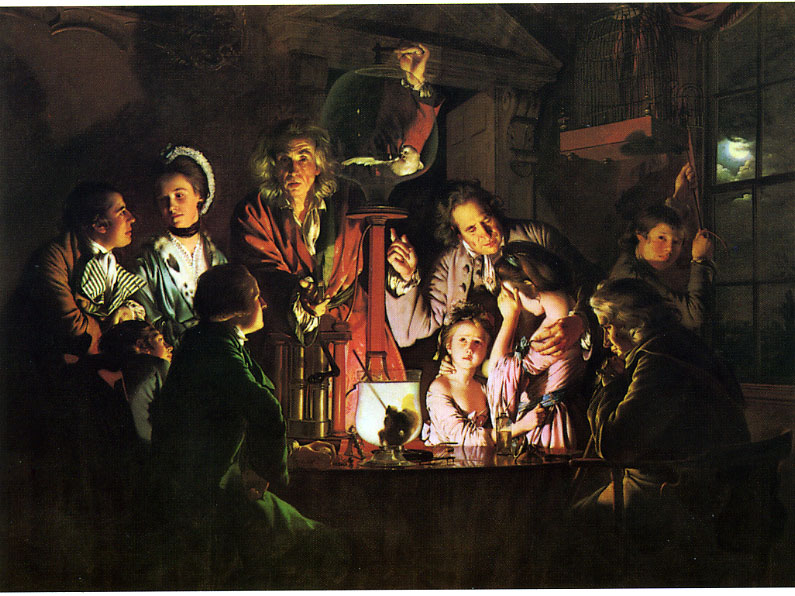
This is when the director/artist uses light to set a mood or tone or forces us to focus on one particular action.
TASK
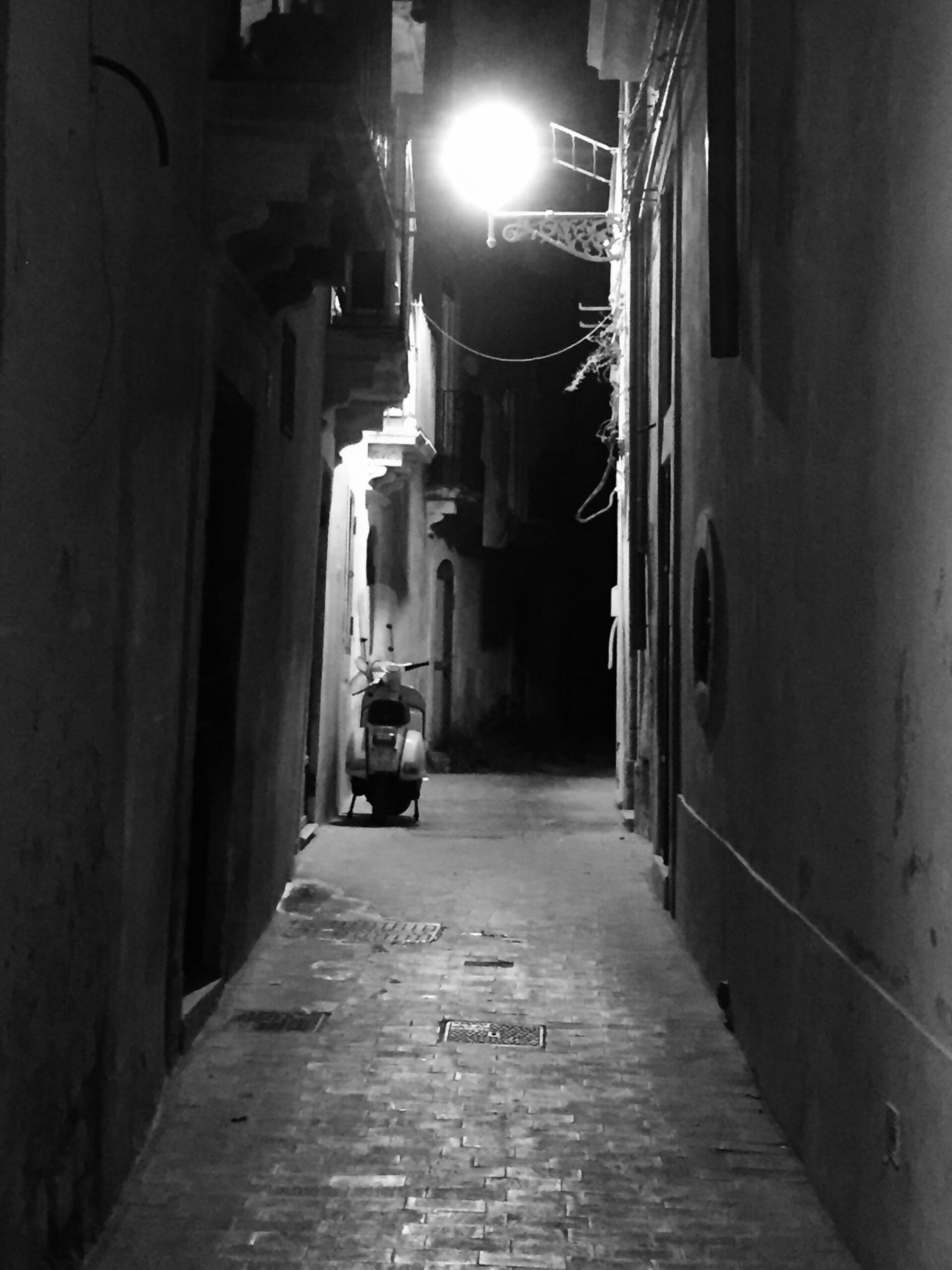
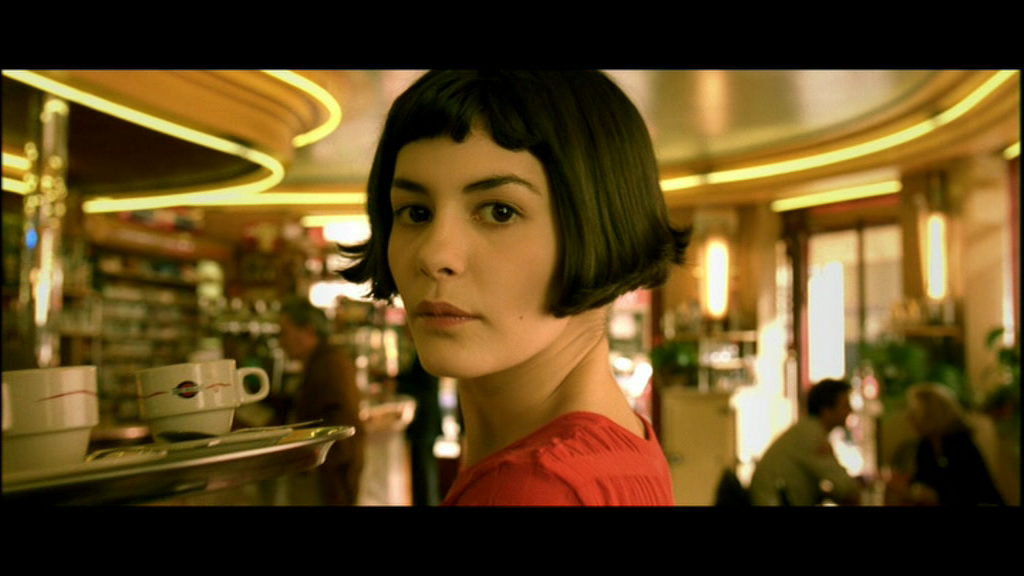
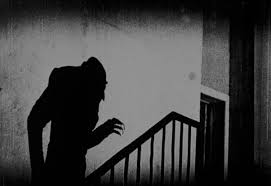
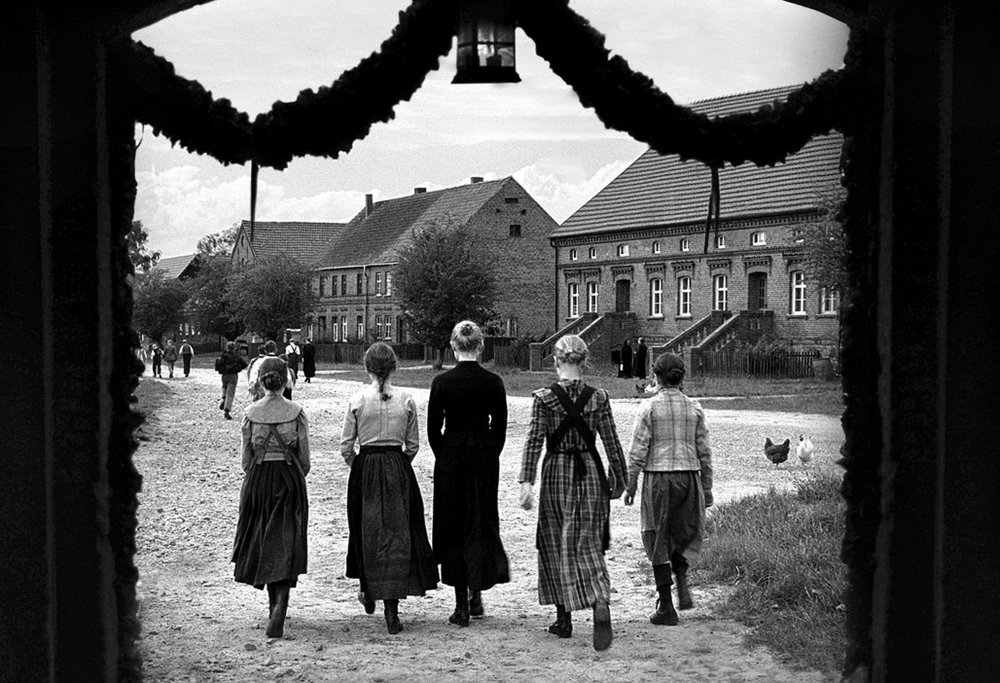
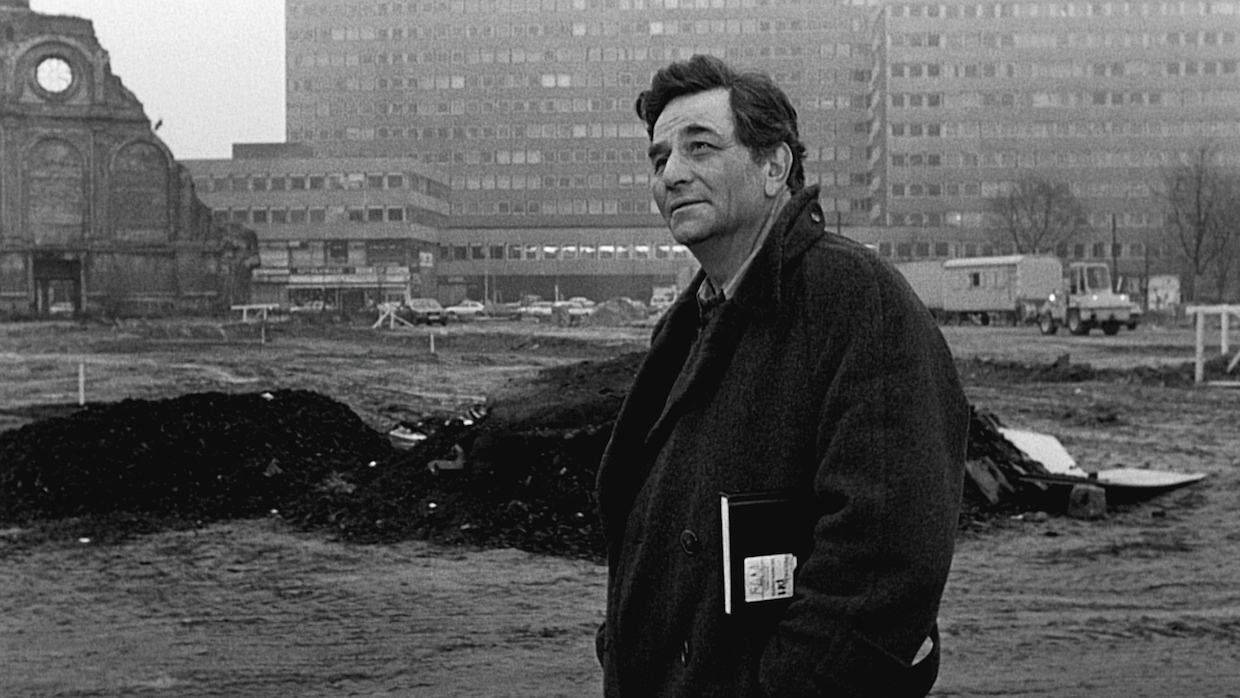
Look at the images below. Decide whether they are realistic or expressive. Check the right solution.
PREVIEW
Click to enlarge

Glossary
- Glossary example 1 Description for Glossary example 1
- Glossary example 2 Description for Glossary example 2
- Glossary example 3 Description for Glossary example 3
- Glossary example 4 Description for Glossary example 4
- Glossary example 5 Description for Glossary example 5
LIBRARY
Click to enlarge or drag to go to preview


Please, use a device of at least 1024px width, to view the Art App