LIGHTING 2.
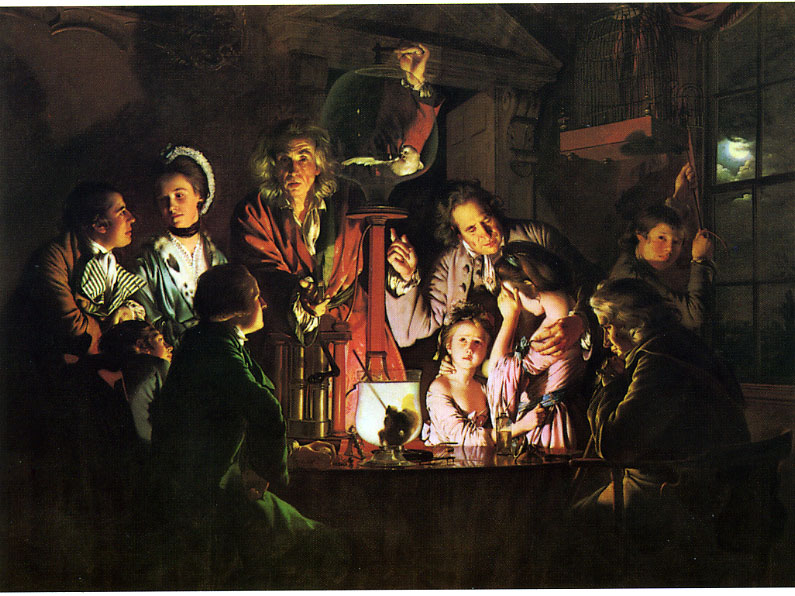
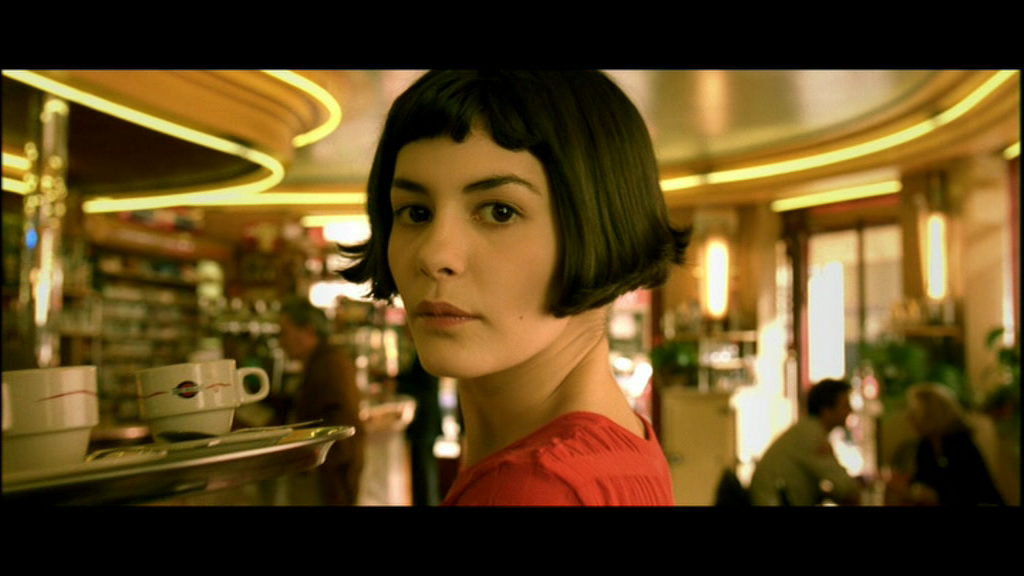
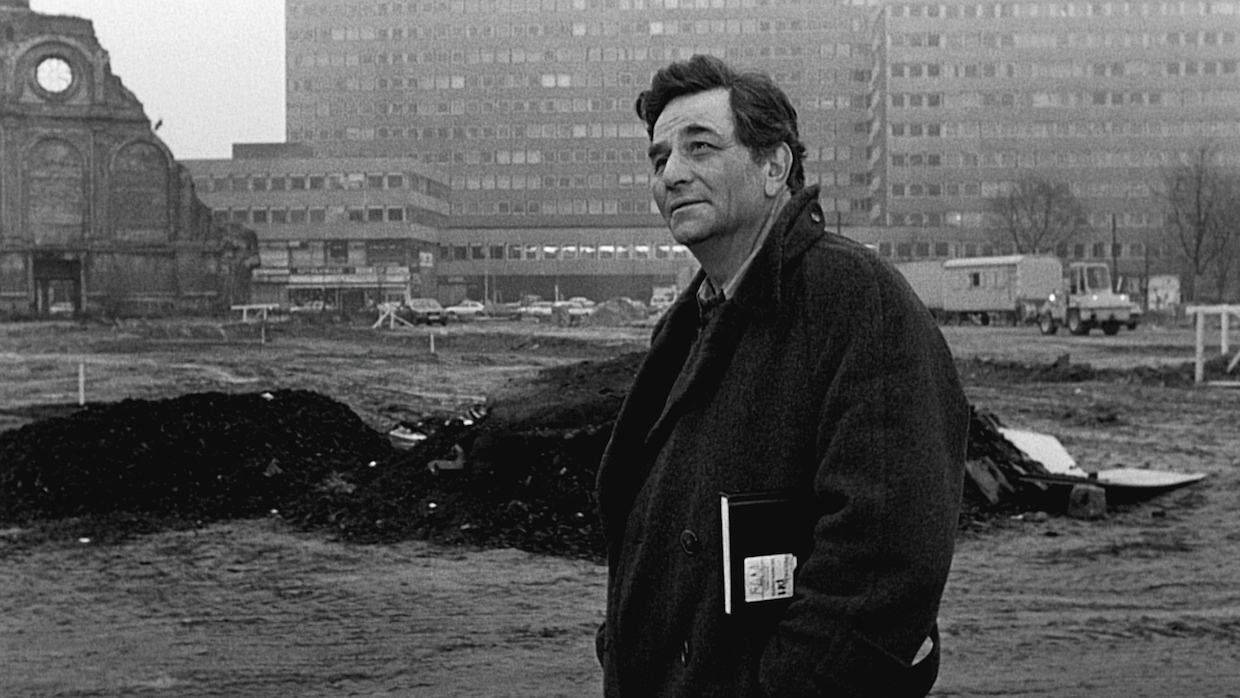
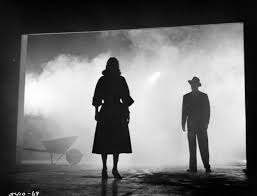
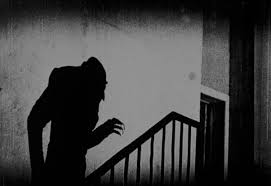
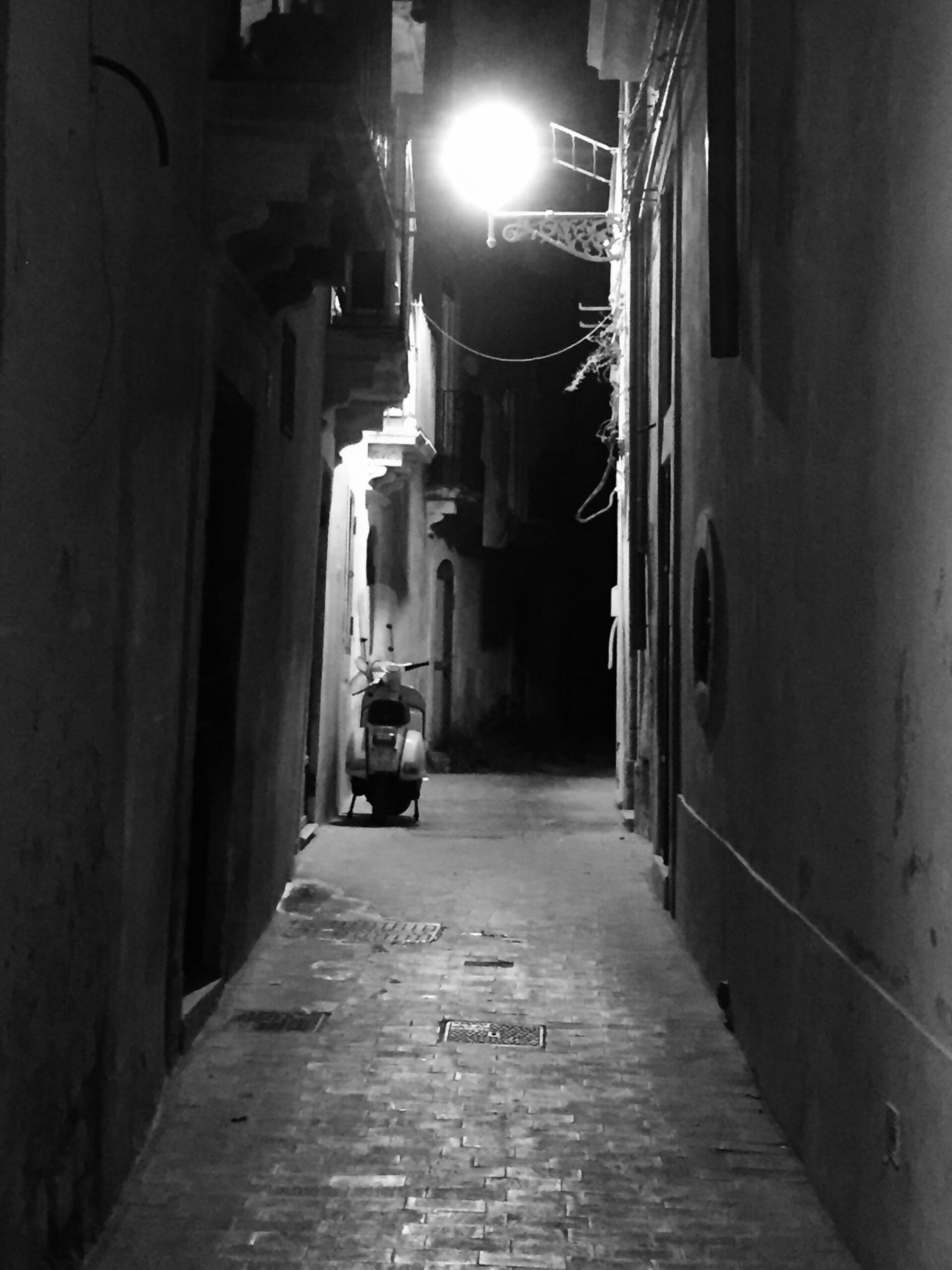
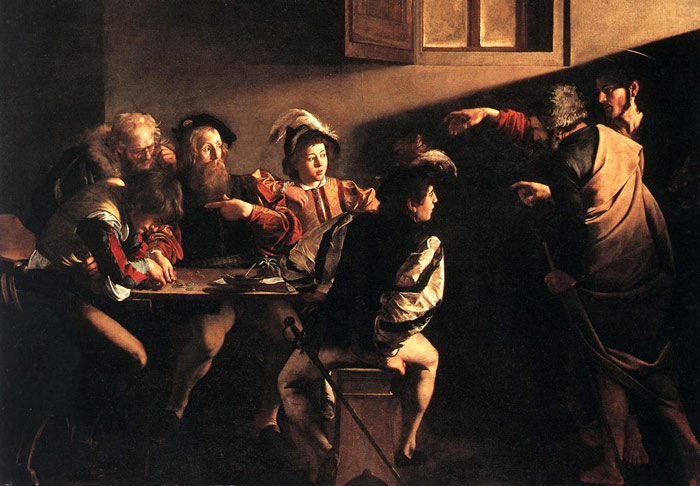
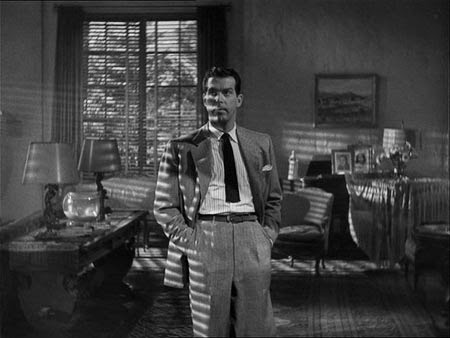
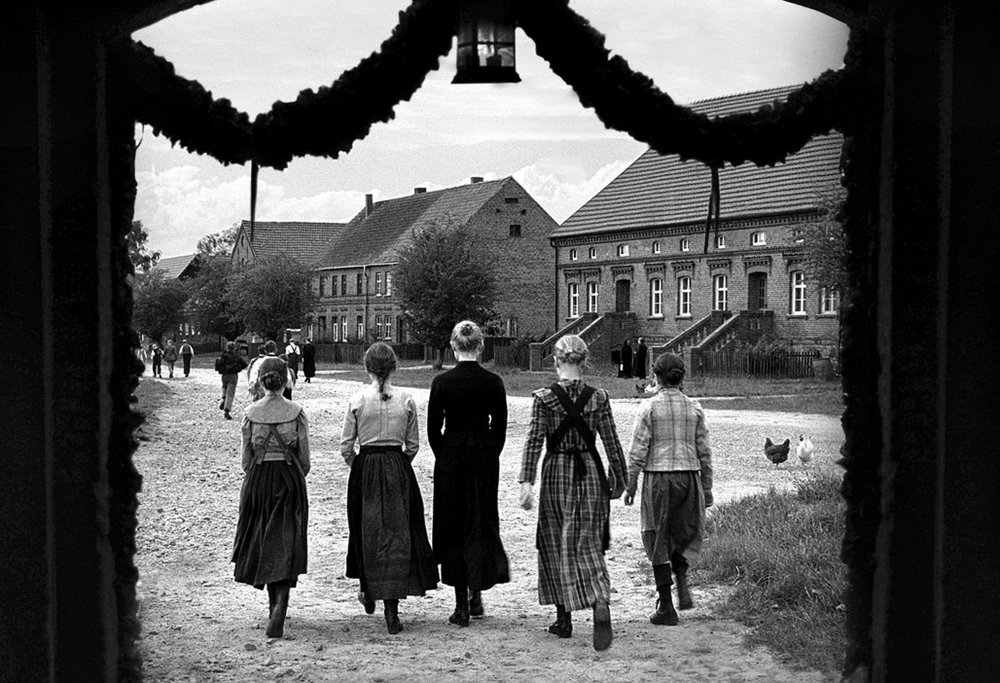
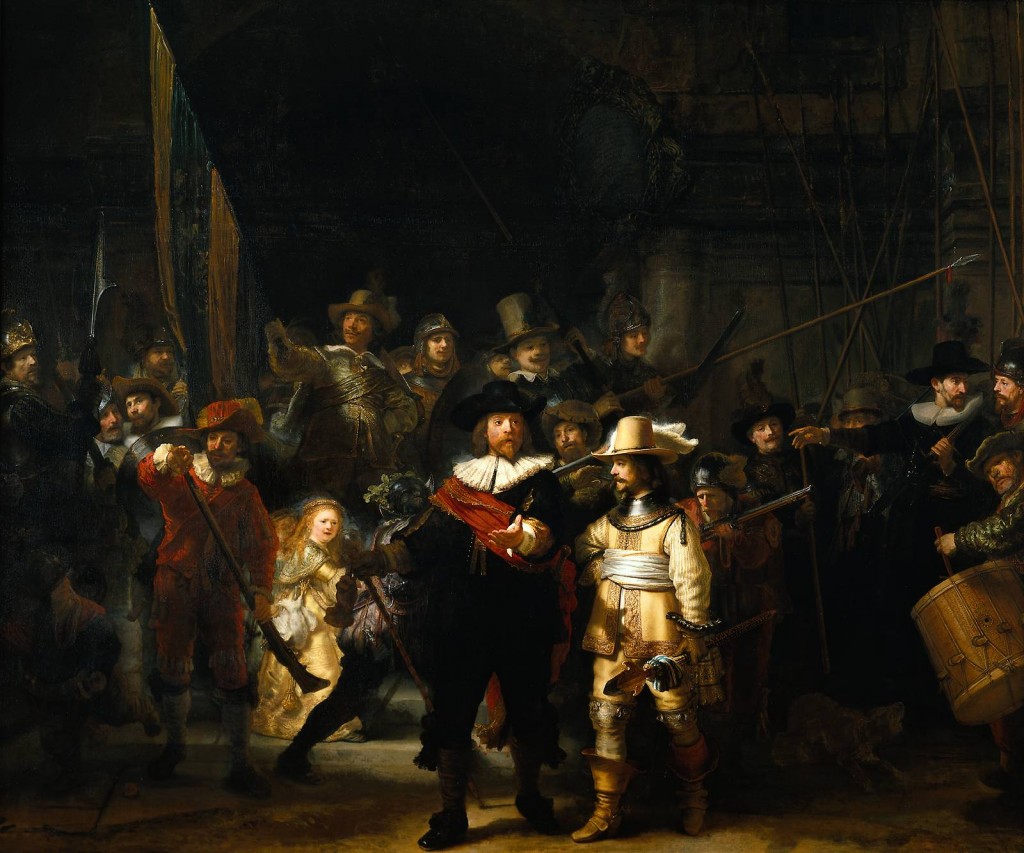
Lighting can be used to create a sense of place, give ideas about the weather, the state of mind of the character and also for aesthetic or artistic reasons. For example, in a thriller you might expect to see certain scenes shot in shadow – to create the sense of the unknown (the unseen). But shadows can signify different genres. Imagine shadows being used in a romantic film. Would they carry the same threat as in a thriller or a horror story?
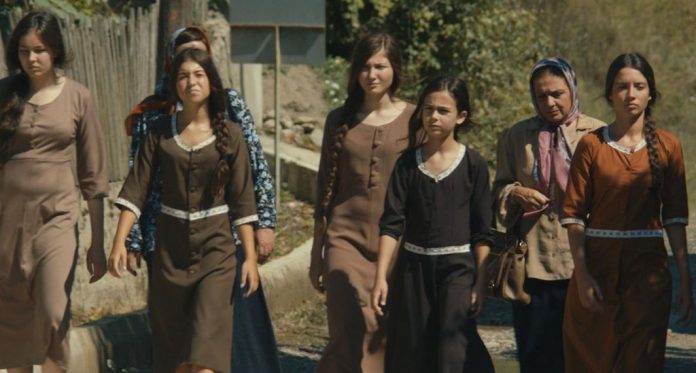
Very bright white/blue lighting can make an environment look very cold and clinical, creating a mood in the filmic world that we the viewer ‘read’ and apply to our understanding of the story
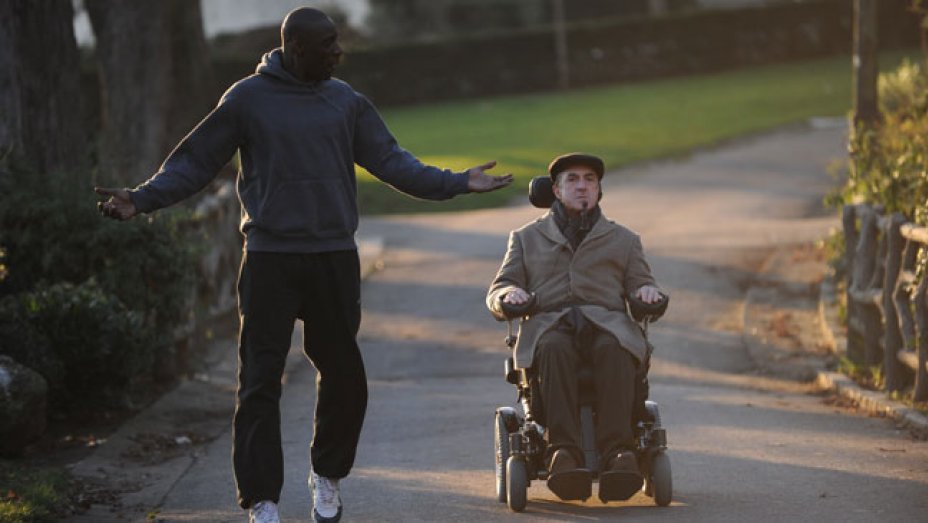
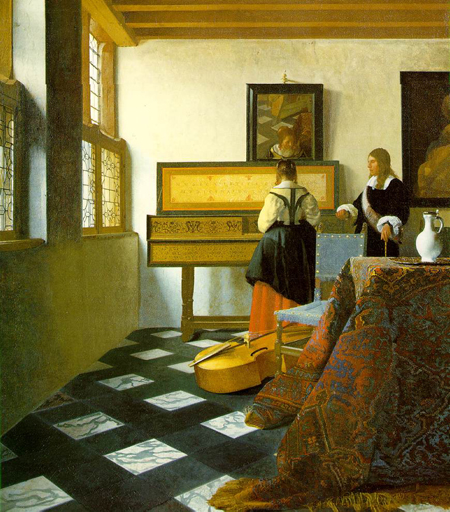
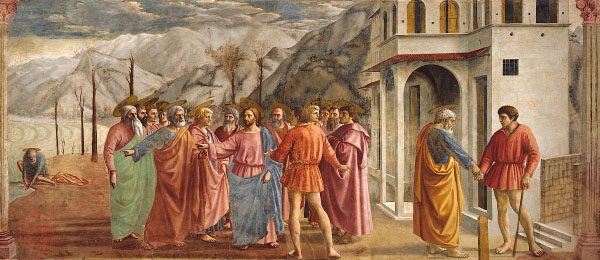
Lighting can also be used to draw our attention to a particular character’s actions, a significant object, or a particular part of a location or frame.
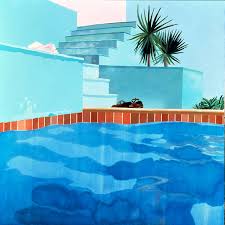
Choose two of the images from above. Try to apply some of the key questions to these images from the point of view of the artist’s use of light in the image. How does the artist/director focus our attention on certain aspects of the image through the use of light? How does this affect what we see and how does it affect our understanding of what is happening in the image? What mood is created?
PREVIEW
Click to enlarge

Please, use a device of at least 1024px width, to view the Art App