PREVIEW (Click to enlarge)

PREVIEW (Click to enlarge)
- WHAT’S IN THE FRAME?
In any film, in any painting, nothing appears “by chance”. The artist will have chosen everything from what is included to the colour of particular objects, the positioning of things with a frame.
Let’s look at some images from films as well as paintings and photographs.
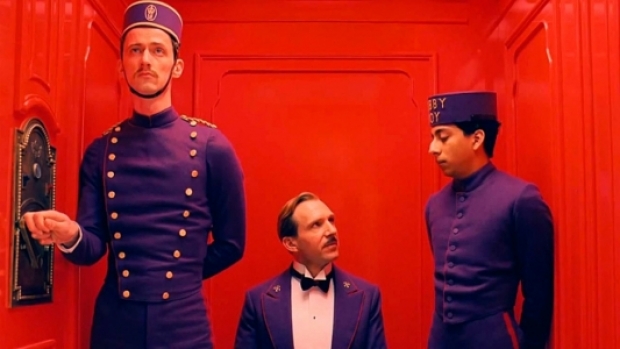
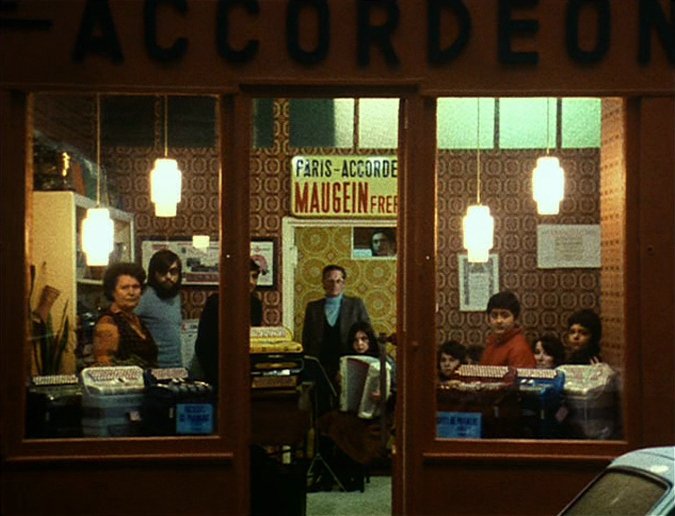
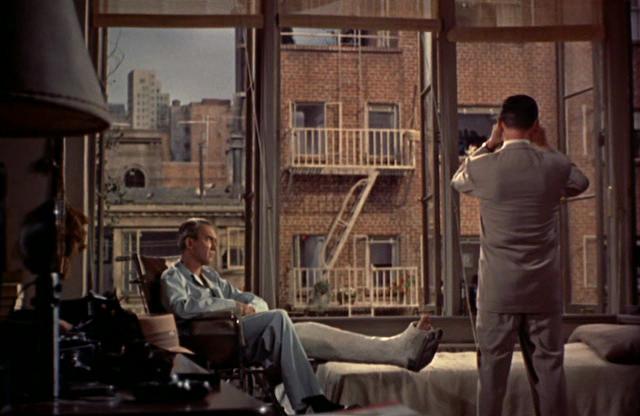
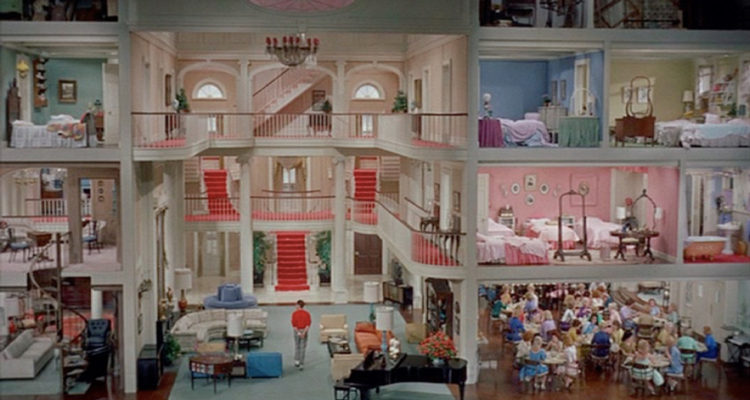
We want you to focus on two of our key questions – “What?” and “Why?”. What is in the frame, why you think it is there and why is it where it is.
When you have discussed these questions you should then think about how these affect the ways in which we understand what we see. How is the artist guiding us to think and feel about what they have presented.
TASK ONE
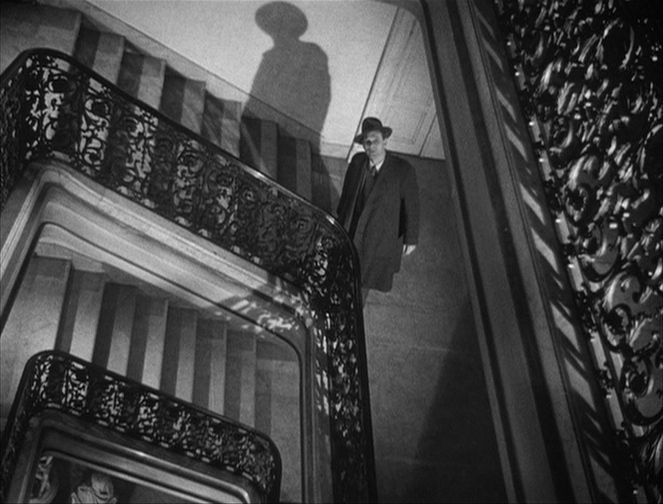
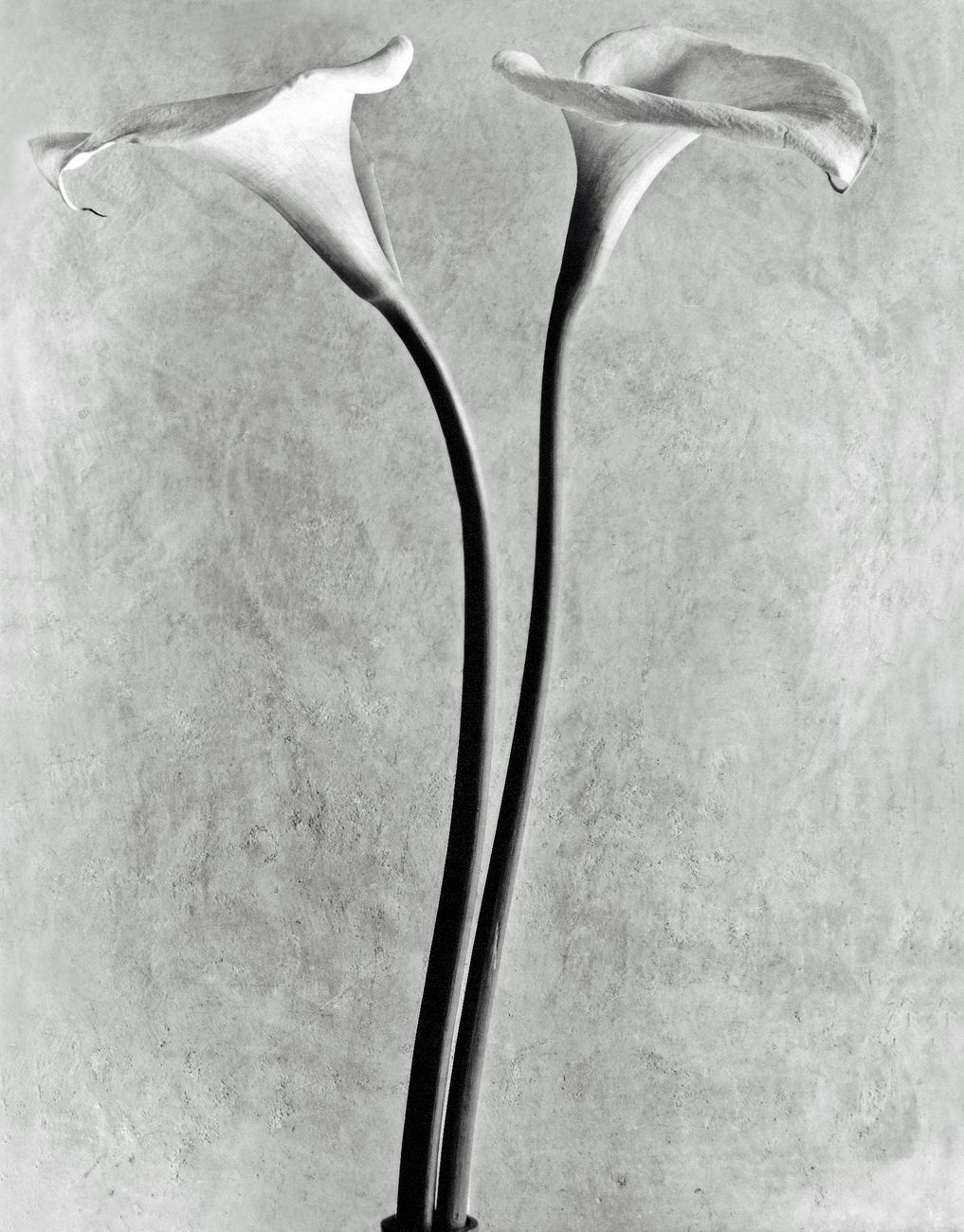
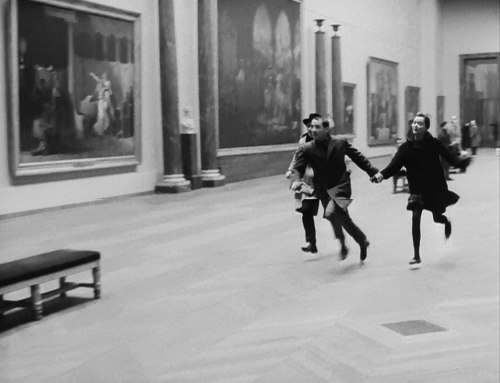
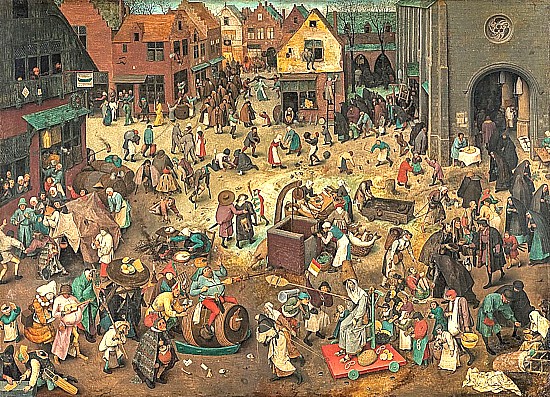
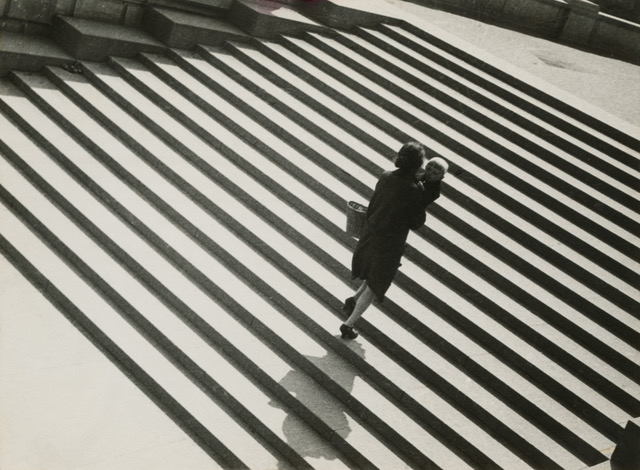
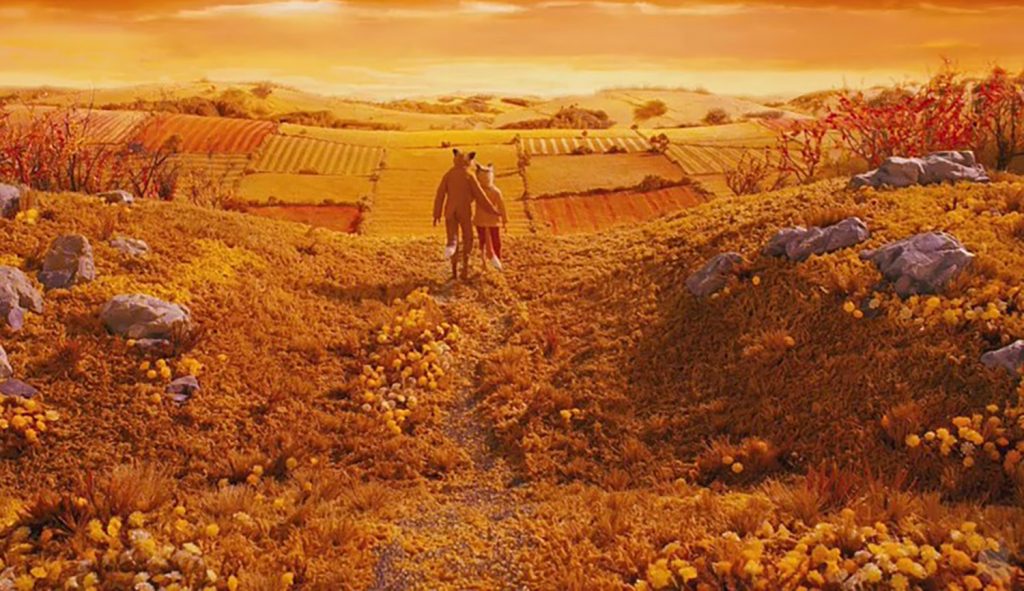
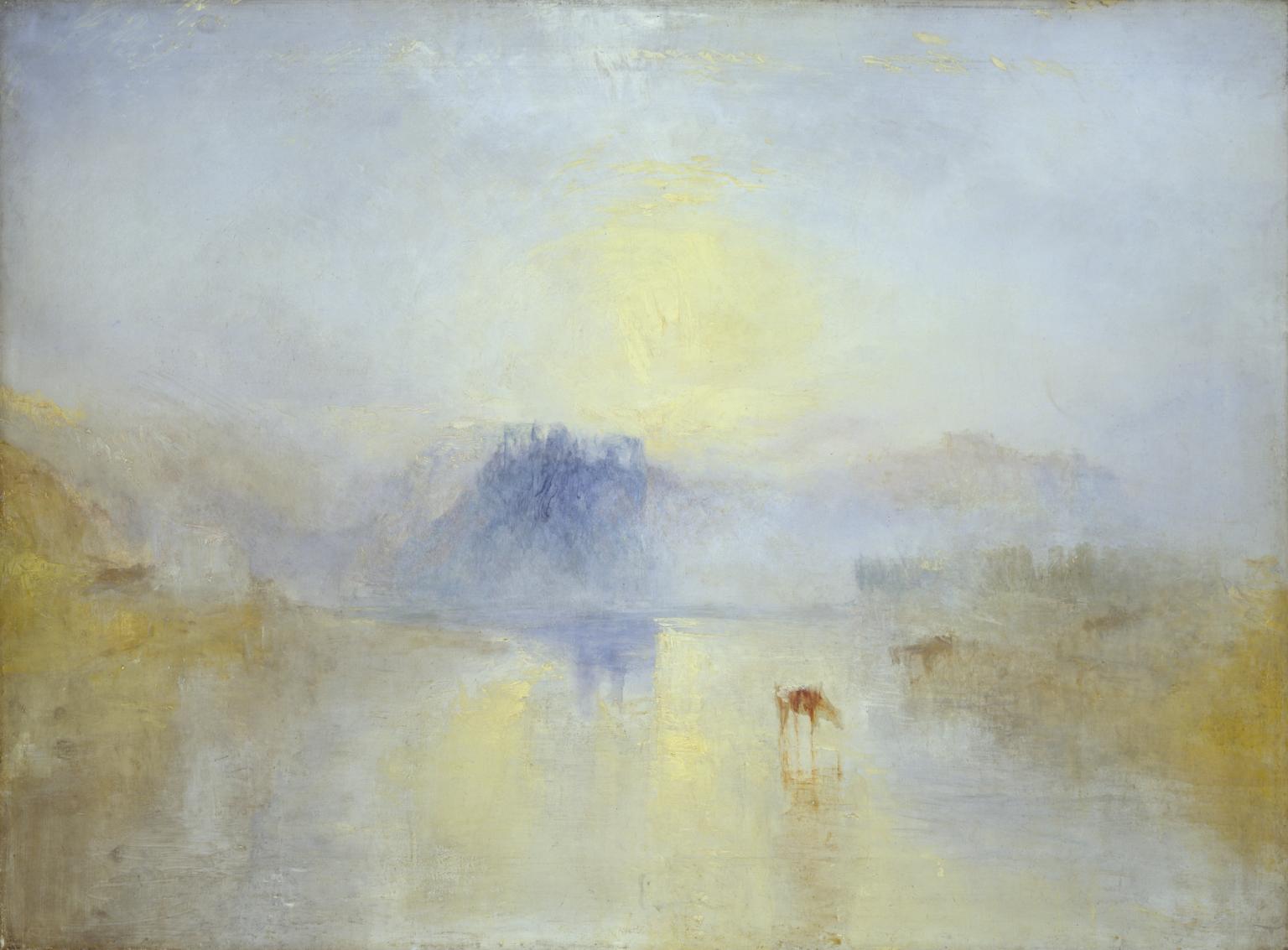
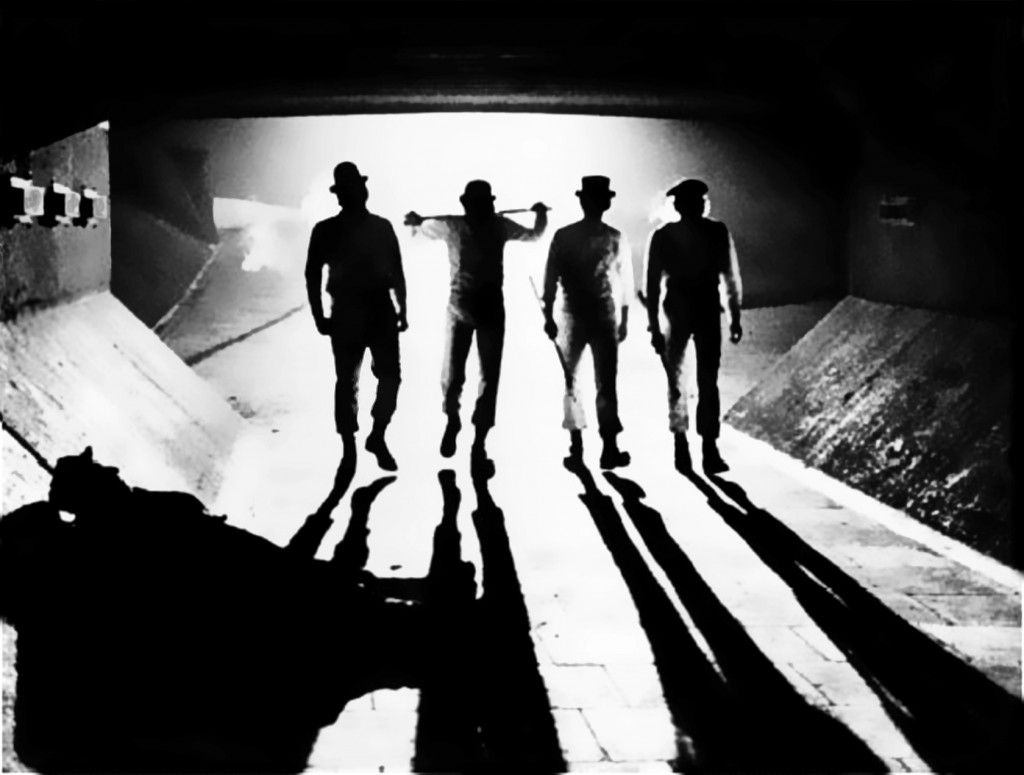
Choose any two images from the image bank. Using the what and why questions try to come up with a description of the image and then analyse the reasons why you think it looks the way it does. How do the various parts of the image work together? Why has the artist constructed/composed the image in that way?
Glossary
- Depth of field The area in front of the camera that appears sharp in the frame is called depth of field. Depth of Field is defined as the range of acceptable focus on a shot or photograph. Depth of field is an important concept for cinematographers and camera operators to master because they often need to manipulate focus to achieve a desired effect. Selective focus, for instance, draws the audience's attention to a specific portion of the frame. Depth of field can be either shallow or deep. Shallow depth of field is the kind in which part of the frame is soft or out of focus. Thus, the areas of focus or sharpness are limited. Deep depth of field, on the other hand, is the kind in which the entire frame, from the foreground to the background, is sharp or in focus. [http://www.elementsofcinema.com/cinematography/depth-of-field.html]
- Image composition The composition is the arrangement of the visual elements inside the frame. Patterns, texture, symmetry, asymmetry, depth of field, lines, curves, frames, contrast, color, viewpoint, negative space, filled space, foreground, background, visual tension, shapes are all elements of composition.
- Perspective The way that objects appear smaller when they are further away and the way parallel lines appear to meet each other at a point in the distance.
- The Over the shoulder shot (OTS) It's a camera angle used in film and television, where the camera is placed above the back of the shoulder and head of a subject. [Bordwell, David; Thompson, Kristin (2010). Film art : an introduction (9th ed.). New York : McGraw-Hill]
- The rule of thirds The guideline proposes that an image should be imagined as divided into nine equal parts by two equally spaced horizontal lines and two equally spaced vertical lines, and that important compositional elements should be placed along these lines or their intersections. [Bryan F. Peterson (2003). Learning to see creatively. Amphoto Press] Proponents of the technique claim that aligning a subject with these points creates more tension, energy and interest in the composition than simply centering the subject. [https://en.wikipedia.org/wiki/Rule_of_thirds#cite_ref-3]
LIBRARY (Click to enlarge, or drag to go to preview)




Please, use a device of at least 1024px width, to view the Art App